
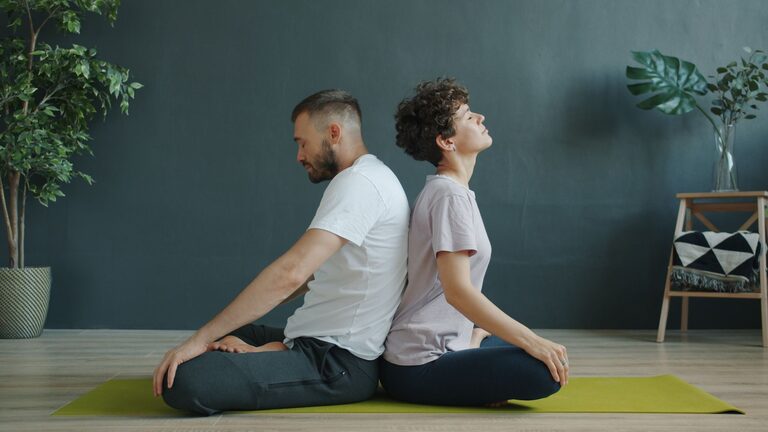
Taking mindful breathing breaks is a simple yet powerful way to help manage stress, boost mental clarity, and improve your overall well-being. Whether you’re at work, home, or anywhere in between, pausing to focus on your breath can bring you back to the present moment and create a sense of calm.
If you’re new to mindful breathing, this guide offers beginner-friendly tips to help you start incorporating mindful breathing breaks into your daily routine. No special equipment or prior experience is needed—just a few minutes and a willingness to breathe mindfully.
What Is Mindful Breathing?
Mindful breathing means paying close attention to your breath as it flows in and out of your body. It’s about observing the natural rhythm of your breathing without trying to change it. This simple focus acts as an anchor for your attention, helping to quiet your mind and reduce feelings of stress or overwhelm.
Unlike deep breathing exercises that emphasize lung capacity or breath control, mindful breathing encourages gentle awareness and acceptance of whatever your breath is doing in the moment.
Benefits of Mindful Breathing Breaks
– Reduces stress and anxiety: Mindful breathing activates your body’s relaxation response, helping to lower cortisol levels and calm your nervous system.
– Improves focus and concentration: Taking a mindful pause can clear mental fog and help you return to tasks with renewed attention.
– Enhances emotional regulation: Regularly practicing mindful breathing can increase your ability to respond calmly to challenging situations.
– Promotes better sleep: Mindful breathing before bedtime can ease your mind and prepare your body for restful sleep.
– Supports overall health: Mindful breathing contributes to lower blood pressure, improved heart rate, and balanced energy levels.
How to Take a Mindful Breathing Break: Step-by-Step
1. Find a Comfortable Spot
You don’t need a special place—just somewhere you can sit or stand comfortably without distractions for a few minutes. It might be your desk, a quiet corner, or even outdoors.
2. Set a Timer (Optional)
If you’re just starting, you might find it helpful to set a timer for 3 to 5 minutes. Gradually you can extend the duration as you get more comfortable.
3. Adopt a Relaxed Posture
Sit or stand with your back straight but not stiff. Let your shoulders drop and your body relax. Place your hands gently on your lap or by your sides.
4. Close Your Eyes or Soften Your Gaze
Closing your eyes can reduce visual distractions, but if you prefer to keep them open, soften your gaze by looking downward without focusing on anything in particular.
5. Bring Attention to Your Breath
Notice where you feel your breath most clearly—this might be your nose, chest, or belly. Observe the sensation of the air entering and leaving.
6. Breathe Naturally and Observe
Don’t try to change your breathing. Simply watch it as it comes in and goes out. If your mind wanders, gently guide your focus back to your breath.
7. Use a Simple Counting Technique (Optional)
To help stay focused, you can count silently with each breath cycle. For example, inhale and count “one,” exhale and count “two,” up to five, then start over. If you lose count, just begin again without judgment.
8. End Your Break Gently
When your timer goes off or you feel ready to stop, take a final deep breath and slowly open your eyes (if they were closed). Notice how you feel before returning to your activities.
Tips for Making Mindful Breathing a Habit
– Start small: Even one minute of mindful breathing can make a difference. Build up gradually.
– Pair with daily activities: Try mindful breathing during routine moments such as waiting in line, commuting, or before meals.
– Use reminders: Set alarms or sticky notes as gentle prompts to pause and breathe.
– Practice regularly: Consistency helps deepen the benefits and makes mindful breathing a natural part of your day.
– Be patient and kind to yourself: It’s normal for your mind to wander. Each time you bring your focus back, you’re strengthening your mindfulness skill.
– Combine with other mindfulness practices: If you enjoy mindful breathing, explore other practices like body scans or gentle stretches for added relaxation.
Common Questions About Mindful Breathing
How often should I take mindful breathing breaks?
Aim for 2-3 short breaks each day, especially during stressful moments or when you notice your focus fading. Feel free to increase frequency as you become more comfortable.
Can mindful breathing help with anxiety?
Yes. Mindful breathing helps activate your parasympathetic nervous system, promoting relaxation and reducing anxiety symptoms. It’s a useful tool alongside other healthy habits.
Do I need to sit cross-legged or meditate to practice mindful breathing?
No. Mindful breathing can be done anywhere and in any comfortable position. The key is simply paying attention to your breath without distractions.
What if I feel dizzy when focusing on my breath?
If you feel lightheaded, stop the practice and return to normal breathing. Mindful breathing is about gentle awareness, not forced breathing. Make sure you are seated comfortably.
Final Thoughts
Mindful breathing breaks are an accessible, free, and effective tool for managing stress and improving mental clarity. By incorporating these beginner tips into your day, you can cultivate more calm, presence, and balance—even in busy or challenging moments.
Remember, the goal isn’t to perfect your breath but to bring gentle awareness back to the present moment whenever you need it. Start today with just a few mindful breaths and watch how this simple habit can positively influence your well-being.