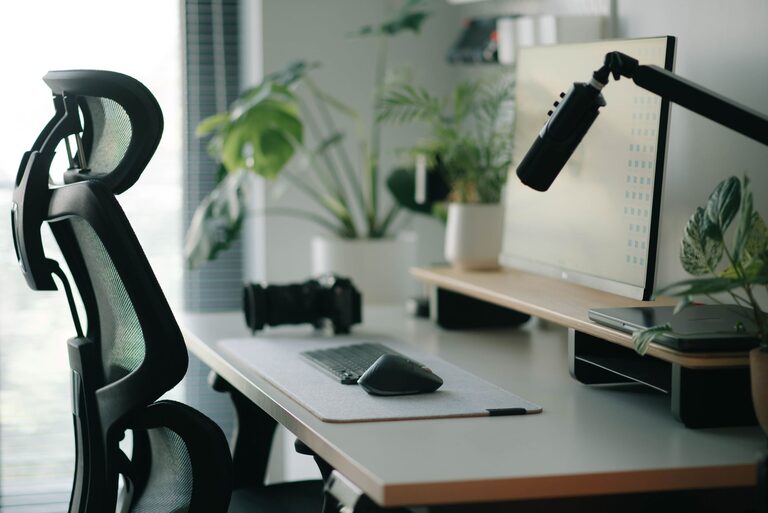
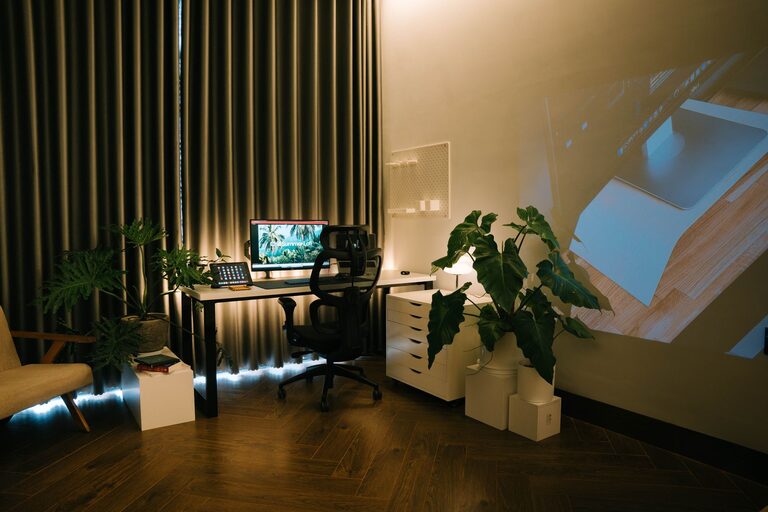
Creating a relaxing home workspace is essential for maintaining focus and reducing stress during your workday. Whether you work remotely full-time or just occasionally from home, the environment around you greatly impacts your mood and efficiency. This guide will help you design a comfortable, calming workspace that encourages productivity without feeling overwhelming.
Why a Relaxing Workspace Matters
A cluttered or uninspiring workspace can cause distractions, increase stress, and reduce your ability to concentrate. On the other hand, a space designed with relaxation in mind helps calm your mind, improves motivation, and can even enhance creativity. Small changes in your workspace setup can make a big difference in how you feel and work throughout the day.
Step 1: Choose the Right Spot
Find Natural Light
Choose a location near a window if possible. Natural light improves mood and reduces eye strain. Position your desk so that the light comes from the side to avoid glare on your screen.
Consider Noise Levels
Pick a quiet area or use noise-cancelling headphones if you can’t avoid household noises. A peaceful environment helps maintain focus and reduces irritation.
Personal Space Size
Make sure you have enough room to comfortably fit your desk and chair, plus any work materials you need. You shouldn’t feel cramped or crowded in your workspace.
Step 2: Invest in Comfortable Furniture
Ergonomic Chair
A supportive chair designed for long hours helps protect your back and encourages good posture. Look for adjustable height and lumbar support.
Proper Desk Height
Your desk should allow your elbows to be at a 90-degree angle when typing. Adjustable desks or standing desk options are ideal for changing positions during the day.
Organization Tools
Use shelves, drawers, or organizers to keep supplies tidy and accessible. A clutter-free desk promotes a clearer mind.
Step 3: Embrace Soothing Colors and Decor
Choose Calming Colors
Soft blues, greens, or earth tones create a peaceful atmosphere. Avoid bright or overly stimulating colors in your workspace.
Add Plants
Plants improve air quality and bring natural beauty to your space. Easy-care options like succulents or pothos work well indoors.
Personal Touches
Incorporate a few meaningful items like photos, artwork, or decorative objects. But keep decor minimal to avoid distractions.
Step 4: Manage Lighting Effectively
Layer Your Lighting
Use a mix of natural light, overhead lighting, and a task lamp. Adjustable desk lamps help reduce eye strain and allow you to focus on detailed work.
Avoid Harsh Lighting
Steer clear of fluorescent lights or overly bright bulbs. Warm LED bulbs create a softer, more comforting glow.
Step 5: Minimize Distractions
Keep Digital Clutter in Check
Close unnecessary tabs or apps and mute notifications during focused work periods.
Cable Management
Use clips or cable ties to organize cords and prevent tangled messes.
Set Boundaries
If others are at home, communicate your work hours and create signals to indicate when you prefer not to be disturbed.
Step 6: Incorporate Relaxation Techniques
Take Regular Breaks
Use a timer to remind yourself to stand, stretch, and step away from the screen every hour.
Use Aromatherapy
Scents like lavender or eucalyptus can help reduce stress and promote calm. Consider a diffuser or scented candle if you enjoy fragrances.
Play Background Music
Instrumental or nature sounds can improve concentration while maintaining a relaxed mood.
Step 7: Keep Your Workspace Clean and Organized
Daily Tidying
Spend a few minutes at the end of each day putting things away to start fresh tomorrow.
Declutter Regularly
Every few weeks, remove items you no longer need or use to maintain a streamlined, efficient area.
Maintain Equipment
Keep your computer, keyboard, and other tools clean and in good working condition to avoid frustration.
Final Thoughts
A relaxing home workspace is a combination of thoughtful design, comfort, and organization. By paying attention to lighting, furniture, colors, and your daily habits, you can create a space that not only looks good but feels good to work in. This will help improve your wellbeing and make your workdays more productive and enjoyable.
Remember, your workspace should reflect your personal needs and preferences. Experiment with different setups and arrangements until you find what works best for you. A calm and inviting workspace is an investment in both your comfort and your work success.